
Pickleball social and league formats that fill courts
Round robins, ladders, mixers and mini tournaments compared by who they attract and how many courts they need, with a way to test each before you book time.
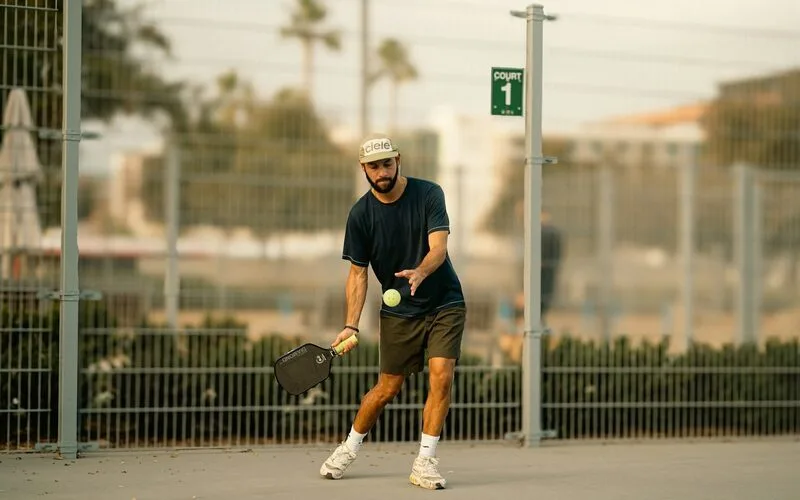
Pickleball clubs rarely lack players. They lack the right format at the right time for the right level. A 4.0 ladder posted at 6pm on a Tuesday can fizzle while a beginner round robin the same night turns people away. This guide compares the formats clubs run most, what each does well, and how to avoid booking eight courts for four sign-ups.
Round robin: the default social format
Everyone plays everyone, nobody is knocked out, and court time is guaranteed. That is why it is the workhorse of open play, mixers and casual leagues.
- Partner-rotation round robin. Change partners every game; your individual wins follow you. The most social version, ideal for newcomers’ nights because nobody is stuck with a mismatched partner for an hour.
- Fixed-partner round robin. Teams stay together. Better for leagues where players want a regular partner and a standings table.
- King or queen of the court. Winners move up a court, losers move down, re-pair each round. Fast and energetic, good for mixed-level nights because the courts sort themselves in twenty minutes.
Courts needed: one per four players. Sixteen players on four courts for two hours is the sweet spot.
Ladder leagues: for players who want a ranking
A ladder runs for weeks. Players challenge others near them and swap positions. It rewards commitment and produces the regulars every club depends on.
Ladders fail when the level band is too wide (a 3.0 will not challenge a 4.5) or when the club does not set a minimum number of matches per week. Set the band tight: 3.0 to 3.5 and 3.5 to 4.0 as separate ladders beat one ladder with everyone.
Mini tournaments: the event people tell their friends about
A one-day event with a bracket, a start time, and something at stake. Formats that work at club level:
- Mixed doubles mini tournament. Round-robin pools in the morning, single-elimination playoff in the afternoon.
- Skill-level scramble. A 4.0 is paired with a 3.0. Advanced players get a reason to show up to a beginner-friendly event, and beginners get coached for free.
- Glow pickleball night. Blacklights, glow balls, costumes. Low on competition, high on photos.
- Charity pickleball-a-thon. Play for hours, raise money, get local press.
Single elimination is fine for the final stage, but never run a whole event that way: half your players are done after one game and will not sign up again.
Clinics and drills: the formats that raise your average rating
- Beginner fundamentals series. Four weeks, same group, one coach. Converts drop-ins into members.
- Dink and drop-shot hour. One skill per session. Intermediate players show up for this in numbers because it is the shot they lose points on.
- Serve and return bootcamp. Same idea, different skill.
- Rating clinic. Help players understand and improve their DUPR or club rating. Competitive players value this highly.
Weekly regulars that quietly fill the calendar
- Lunchtime open play for remote workers and retirees.
- Seniors’ morning social with a regular slot and a name.
- Women’s doubles night.
- Kids’ after-school pickleball with a parent-and-child session once a month.
How to know which format fills before you book the courts
Every format above needs a critical mass. A round robin with six people is a long evening; a ladder with eight players never gets going. The fix is to test demand before you block court time.
- List the four or five formats you are considering for the coming month.
- Tag each with a level band (3.0, 3.5, 4.0+) and a time (weekday evening, weekend morning).
- Let players vote with an email. One link in the club newsletter and the group chat is enough.
- Book courts for the two formats with the most votes at the level and time the votes point to.
- When sign-ups open, email the voters first. They asked for it.
Clubs that do this stop guessing whether Tuesday should be a ladder night or a social night. The players have already said.
For more formats and session ideas filtered for clubs, try the free idea generator. To run the vote, see CrowdPleaser for pickleball clubs.